
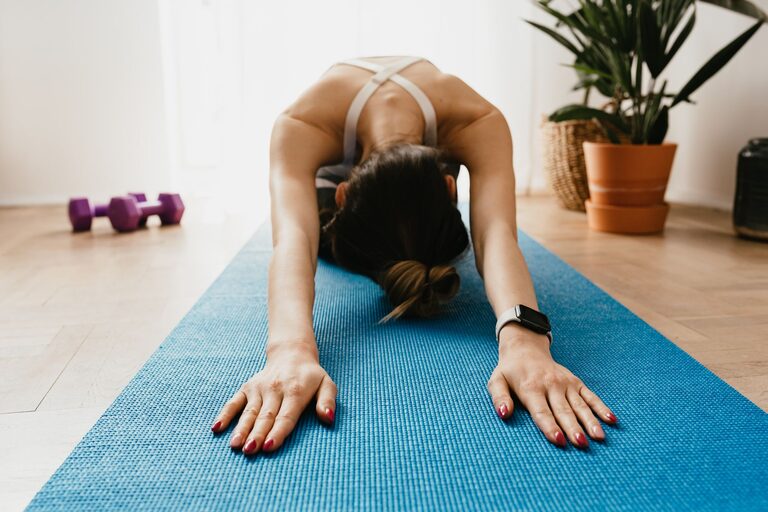
A Beginner’s Guide to Stretching at Home
Why Stretching Matters
Stretching is a simple way to move more comfortably and become more aware of your body. It can help you maintain flexibility, loosen up after sitting, and prepare for everyday activities or exercise.
You do not need expensive equipment or a large workout area to get started. A small, clear space and a few minutes are enough. The key is to move slowly, breathe normally, and practice consistently.
Stretching should feel gentle and controlled. It is not a competition, and you do not need to force your body into a deep position to make progress.
Before You Begin
A little preparation can make your stretching session more comfortable and effective.
Choose a Suitable Space
Find a clean, uncluttered area where you can move your arms and legs freely. A yoga mat, carpet, or folded blanket can provide extra comfort, especially for seated or kneeling stretches.
Wear clothing that allows easy movement. Supportive shoes are usually not needed for floor-based stretching, but choose whatever helps you feel stable.
Warm Up Lightly
Stretching cold muscles may feel uncomfortable. Before beginning, spend three to five minutes moving gently. You could:
– Walk around the room
– March in place
– Roll your shoulders
– Swing your arms gently
– Move your ankles and wrists
– Perform a few easy bodyweight movements
The goal is simply to increase movement and warmth, not to tire yourself out.
Basic Stretching Principles
A few simple guidelines can help beginners develop a safe and enjoyable routine.
Move Slowly
Ease into each stretch instead of bouncing or making sudden movements. Slow motion gives you more control and makes it easier to notice how your body feels.
Keep the Stretch Gentle
You should feel mild tension, not sharp pain. If a movement causes pain, numbness, tingling, or unusual discomfort, stop and return to a comfortable position.
Breathe Normally
Avoid holding your breath. Take steady, relaxed breaths while you stretch. Exhaling slowly may help you settle into a position without forcing it.
Stay Consistent
A short routine practiced regularly is often more useful than one long session every few weeks. Even five to ten minutes can become a valuable part of your day.
Focus on Balance
Try to stretch both sides of your body evenly. If one side feels tighter, give it a little extra attention, but avoid aggressive movements or trying to make both sides feel exactly the same.
Simple Stretches for Beginners
The following stretches can be done at home with little or no equipment. Hold each position for about 15 to 30 seconds, then release slowly. Repeat once or twice per side as comfortable.
Neck and Shoulder Stretch
Sit or stand tall with your shoulders relaxed. Slowly tilt your right ear toward your right shoulder without lifting the shoulder. Hold gently, return to the center, and repeat on the other side.
For your shoulders, reach one arm across your chest. Use the opposite arm to guide it closer without pulling hard. Keep your shoulders relaxed and switch sides.
Chest Opener
Stand near a doorway or sit upright. Place your hands behind your back and gently draw your shoulders down and back. You can keep your hands low and relaxed.
This stretch should create a mild opening across the front of your chest. Do not arch your lower back or push your shoulders too far.
Standing Side Stretch
Stand with your feet about hip-width apart. Raise your right arm overhead and slowly lean to the left. Keep both feet grounded and avoid twisting your body.
Return to the center and repeat on the other side. Keep the movement smooth and stop before you feel strain.
Standing Calf Stretch
Face a wall and place both hands on it. Step your right foot back, keeping the heel down and the toes pointing forward. Bend your front knee slightly while keeping your back leg comfortable.
Hold the position, then switch sides. Adjust your distance from the wall to make the stretch gentler or stronger.
Seated Hamstring Stretch
Sit on the floor with one leg extended and the other leg bent comfortably. Keep your back as long as possible and lean slightly toward the extended leg.
You do not need to touch your toes. Reaching toward your shin or thigh is enough if that feels more comfortable.
Hip Flexor Stretch
Kneel with your right knee on a soft surface and your left foot in front of you. Keep your torso upright and gently shift your hips forward while maintaining a comfortable position.
Do not let your lower back take over the movement. Switch sides after holding the stretch.
Gentle Spinal Twist
Sit on a chair or the floor with your back upright. Place your right hand on your left thigh and slowly rotate your upper body to the left.
Keep the movement easy and avoid pulling yourself deeper with your arms. Return to the center and repeat on the other side.
A Simple 10-Minute Routine
If you are not sure where to start, try this beginner-friendly sequence:
- March in place for one minute.
- Roll your shoulders forward and backward for 30 seconds.
- Perform the neck and shoulder stretch on both sides.
- Hold the chest opener for 20 seconds.
- Complete the standing side stretch on both sides.
- Hold the calf stretch on each side.
- Perform the seated hamstring stretch on each side.
- Finish with a gentle spinal twist on each side.
- Take a few relaxed breaths before standing up.
Move at your own pace. You can shorten the routine when you are busy or repeat selected stretches after a long period of sitting.
Common Beginner Mistakes
Stretching is straightforward, but a few habits can make it less comfortable.
– Bouncing: Use steady movements instead of bouncing into a stretch.
– Forcing range: Flexibility improves gradually, so avoid pushing past a comfortable limit.
– Holding your breath: Relaxed breathing helps you stay calm and controlled.
– Ignoring alignment: Keep your feet, knees, and hips in comfortable positions.
– Doing too much too soon: Start with a few stretches and build slowly.
– Skipping consistency: Occasional intense sessions are less practical than regular gentle practice.
How to Build a Regular Habit
Choose a time that fits naturally into your day. Morning stretching may help you begin with movement, while an evening routine can provide a calm transition away from daily activities.
You can also connect stretching to an existing habit. Try a few gentle movements after brushing your teeth, during a work break, or after a walk.
Keep your routine simple enough to repeat. Marking sessions on a calendar or using a short timer can make the habit easier to maintain.
Final Tips for Comfortable Progress
Pay attention to how your body responds during and after each session. Progress may appear as easier movement, improved comfort, or better awareness of your posture rather than dramatic changes in flexibility.
Stay patient and avoid comparing your range of motion with someone else’s. Bodies differ, and flexibility can change from day to day.
If you have an injury, a condition that affects movement, or concerns about whether a stretch is suitable for you, ask a qualified health or fitness professional for personalized guidance. Otherwise, begin gently, breathe steadily, and make stretching a small, enjoyable part of your regular routine.
