
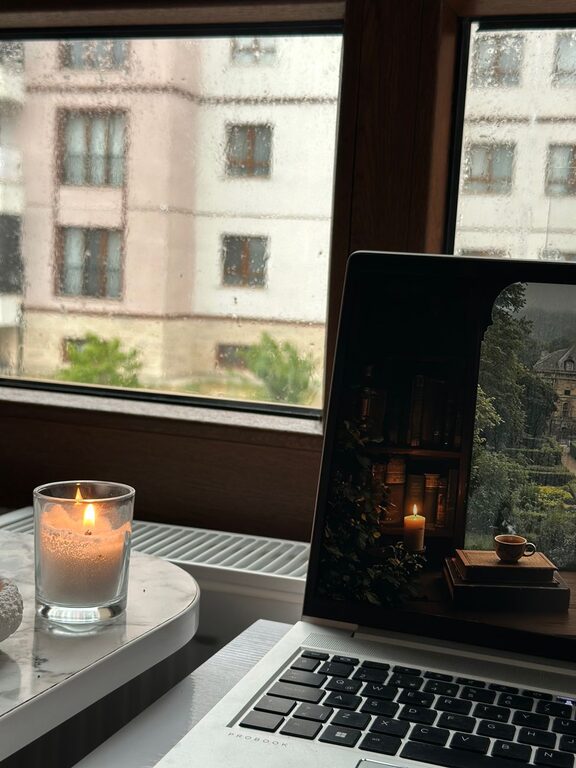
How to Create a Relaxing Home Workspace
Working from home can be more comfortable and enjoyable when your workspace feels calm and welcoming. A relaxing home workspace does not need to be large, expensive, or perfectly styled. With a few thoughtful changes, you can create an area that supports focus while helping you feel at ease throughout the day.
The key is to balance comfort, function, and a sense of order. Your workspace should include everything you need without feeling crowded or distracting. Use the following ideas to create a home office that feels peaceful and practical.
Choose the Right Location
Start by choosing the best available spot in your home. If you have a separate room, you have more flexibility, but a quiet corner of a bedroom, living room, or dining area can work just as well.
Look for a location with:
– Good natural light
– Enough space for a desk and chair
– Limited foot traffic
– Convenient access to power outlets
– A comfortable distance from household distractions
If you share your home with others, consider how noise and movement may affect your work. A corner away from the television, kitchen, or main hallway may help you stay focused. Even a small space can feel separate when you define it with a rug, shelf, curtain, or room divider.
Select a Comfortable Desk and Chair
Comfort is one of the most important parts of a relaxing workspace. Your desk should provide enough room for your computer, notebook, lighting, and any other tools you use regularly. Avoid choosing a desk that is so large that it overwhelms the room.
A suitable chair should support your back and allow your feet to rest comfortably on the floor. When seated, your shoulders should feel relaxed, and your screen should be positioned so you do not need to bend your neck for long periods.
Consider these simple comfort adjustments:
– Keep your screen close to eye level
– Place your keyboard and mouse within easy reach
– Use a footrest if your feet do not rest comfortably on the floor
– Leave enough space to move your legs
– Adjust the chair height so your arms can rest naturally
If possible, test your desk and chair setup for a few days. Small changes in height or position can make a noticeable difference.
Use Soft, Balanced Lighting
Lighting can strongly influence the mood of a room. Natural light often makes a workspace feel brighter and more open, so place your desk near a window if convenient. Position the desk to reduce glare on your screen, especially during the brightest part of the day.
Add a desk lamp for cloudy days, evenings, or areas with limited daylight. A lamp with a warm, comfortable glow can make the workspace feel more inviting. However, make sure it provides enough light for reading and writing.
Try to avoid relying on one harsh overhead light. A combination of window light, room lighting, and task lighting usually creates a softer atmosphere. You can also use curtains or blinds to control brightness and reduce glare when needed.
Keep the Workspace Organized
Clutter can make it harder to relax, even when the rest of the room is tidy. A simple organization system helps keep your workspace clear without requiring constant effort.
Begin by keeping only frequently used items on the desk. Store other supplies in drawers, boxes, or nearby shelves. Use small containers to group pens, charging cables, notebooks, and other loose items.
Helpful organization ideas include:
– Use a tray for papers that need attention
– Label storage boxes for easy access
– Keep cables together with simple cable ties
– Store small supplies in matching containers
– Set aside a few minutes each day to clear the desk
Avoid creating a system that is too complicated. The best organization method is one that you can maintain easily. At the end of the workday, return items to their usual places so you can begin the next day with a clean surface.
Add Natural Elements
Natural materials and greenery can make a workspace feel more peaceful. A small plant on a shelf or desk can add color and visual interest without taking up much room. Choose a low-maintenance plant if you do not want to spend much time caring for it.
You can also introduce natural elements through:
– A wooden desk or organizer
– A woven basket
– A cotton or linen chair cushion
– A small vase of fresh or dried flowers
– A view of outdoor greenery
Keep the design simple. One or two natural touches are often enough to soften the space without making it feel busy.
Choose Calming Colors and Textures
Color can influence how a room feels. Soft neutrals, gentle greens, muted blues, and warm earth tones often create a calm atmosphere. This does not mean your workspace must be plain. You can add personality with artwork, a colorful notebook, or a patterned cushion.
Textures also make a space feel more comfortable. A small rug, fabric pinboard, or soft throw can add warmth. If your workspace is in a shared room, use colors and materials that coordinate with the rest of the space.
When choosing decor, focus on items that you enjoy seeing but that do not compete for your attention. Too many bright colors, patterns, or decorations may make it harder to concentrate.
Create a Separate Work and Rest Routine
A relaxing workspace is easier to maintain when it has clear boundaries. If your desk is in a multipurpose room, use a routine to mark the beginning and end of your workday.
At the start of the day, open the curtains, turn on your lamp, and prepare the items you need. When work is finished, close your computer, put away papers, and clear the desk. This simple transition can help the space feel less connected to work during your personal time.
If you use the same desk for other activities, store work supplies in a nearby box or drawer when you are finished. Creating a visible change in the room can make it easier to shift from work mode to relaxation.
Reduce Visual and Digital Distractions
A peaceful workspace is not only about appearance. Your digital environment can affect your sense of calm as well. Keep your computer desktop organized and remove shortcuts or notifications that you do not need.
During focused work, consider turning off nonessential alerts. Keep your phone out of immediate reach if it tends to interrupt you. You can also use headphones for quiet background sounds, provided they do not prevent you from noticing important household needs.
Visually, position distracting objects outside your main line of sight. A neat wall, simple artwork, or clear window view can help create a calmer backdrop for video calls and focused tasks.
Personalize the Space Thoughtfully
Your workspace should reflect your personality and make you feel comfortable. Add a few meaningful items, such as a framed photograph, a favorite print, or a small object from a hobby.
Try to choose personal touches that inspire a positive mood without creating clutter. A small display area or shelf can keep these items organized. You may also want to change seasonal decorations occasionally to keep the space feeling fresh.
The goal is not to create a perfect office. It is to build an environment that feels comfortable enough to support your daily routine.
Review the Space Regularly
Your needs may change over time. After using the workspace for a few weeks, notice what feels comfortable and what causes frustration. You may need to move the desk, improve the lighting, add storage, or remove items that are no longer useful.
A relaxing workspace is created through small adjustments rather than one major makeover. Keep refining the arrangement until it supports the way you work and helps you feel at ease.
By combining comfortable furniture, balanced lighting, simple organization, natural elements, and clear routines, you can create a home workspace that feels both productive and peaceful.
