
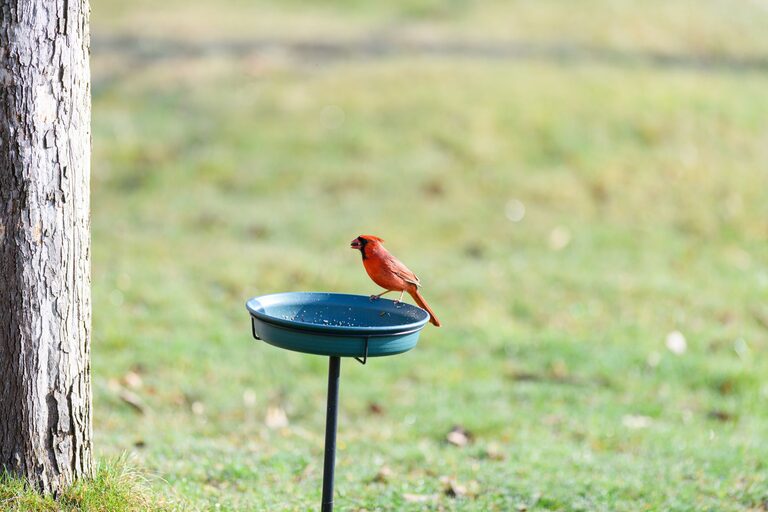
Beginner Tips for Backyard Birdwatching
Backyard birdwatching is an easy and rewarding hobby that can be enjoyed almost anywhere. You do not need expensive equipment, a large yard, or expert knowledge to get started. With a little patience and a few simple supplies, you can begin noticing the birds that live near your home.
Birdwatching, also called birding, is more than spotting colorful visitors. It encourages you to slow down, pay attention to seasonal changes, and learn about the natural world around you. Use these beginner tips to create a comfortable birdwatching routine in your own backyard.
Start With What You Have
The best way to begin is to spend time observing before buying equipment. Choose a quiet spot where you can see part of your yard, garden, balcony, or nearby trees. Sit still for several minutes and notice movement, sounds, and the places birds visit.
Look for common bird activity around:
– Trees and shrubs
– Flower beds and gardens
– Open lawns
– Fences and roof edges
– Puddles, birdbaths, or other water sources
– Areas with seeds, berries, or insects
A comfortable chair and a notebook may be all you need for your first outing. Regular observation will help you learn which birds are already nearby and what resources they use.
Choose a Good Viewing Location
Birds are more likely to visit places that offer food, water, shelter, and safe perching areas. If possible, place your viewing spot near a window, but avoid sitting directly in front of it. Birds may be less comfortable when they see frequent movement indoors.
For window birdwatching, keep these suggestions in mind:
– Sit several feet away from the glass.
– Move slowly when adjusting your position.
– Turn off bright indoor lights when observing after dark.
– Use curtains, decals, or other window treatments to help reduce reflections and collisions.
– Keep pets away from the viewing area during observation.
If you are setting up outdoors, choose a shaded location with a clear view. Birds often appreciate nearby shrubs or trees where they can rest while checking whether a feeding area is safe.
Use Simple Equipment
You can enjoy birdwatching without a large collection of gear. Begin with a few practical items and add equipment as your interest grows.
Binoculars
Binoculars make it easier to see details such as wing markings, eye stripes, and bill shapes. A pair designed for general outdoor use is usually enough for beginners. Practice focusing on a nearby object before trying to follow a moving bird.
When using binoculars, avoid sudden movements. Find the bird with your unaided eyes first, then slowly raise the binoculars while keeping it in view.
Field Guide or Birding App
A field guide can help you compare bird shapes, colors, behavior, and habitats. Choose a guide that covers the region where you live. Birding apps can also provide photographs, range maps, recordings, and checklists.
Do not rely on color alone when identifying a bird. Lighting can change how feathers appear, and young birds may look different from adults. Pay attention to size, shape, markings, movement, and location.
Notebook or Digital List
Record the date, time, weather, location, and birds you observe. Notes can reveal patterns over time, such as which species appear in spring or which birds visit in the early morning.
You can also record questions for later research. For example, note whether a bird was alone or in a group, what it was eating, and where it flew afterward.
Add Food Carefully
Bird feeders can attract birds that may not visit naturally, but they should be maintained responsibly. Choose food based on the birds common in your area and follow local guidance.
Common options include:
– Black oil sunflower seeds
– Safflower seeds
– Nyjer seeds
– Millet
– Suet in suitable weather
– Fruit for certain species
Avoid bread, heavily salted foods, and spoiled leftovers. These foods may not provide the nutrition birds need and can attract unwanted pests.
Clean feeders regularly and remove wet or moldy food. A dirty feeder can spread disease among birds. Place feeders where you can monitor them easily, and keep the area beneath them reasonably clean.
Provide Clean Water
A shallow birdbath can bring in birds that do not visit feeders. Use a container with a rough surface so birds can grip it, and keep the water shallow enough for safe use.
Refresh the water often, especially during hot weather. Scrub the container regularly to remove algae and buildup. Place the birdbath near shrubs or branches, but not so close that cats or other predators can hide nearby.
Moving water, such as a small bubbler, may attract additional birds. However, any water feature should be easy to clean and safe for local wildlife.
Plant for Birds
A bird-friendly yard does not need to look wild or untidy. A mix of native plants, shrubs, trees, and flowers can provide food and shelter throughout the year.
Consider adding plants that offer:
– Seeds and berries
– Nectar
– Insects
– Dense branches for cover
– Nesting materials
– Seasonal fruit
Native plants are often a good choice because they are adapted to local conditions and can support local wildlife. Avoid using pesticides whenever possible, since insects are an important food source for many birds, especially during nesting season.
Leave some fallen leaves or natural plant material in selected areas. These materials can shelter insects and provide useful habitat.
Learn to Identify Birds
Identification becomes easier when you focus on several clues instead of trying to memorize every species. Start with birds that you see often.
Ask yourself:
- How large is the bird compared with a sparrow, robin, or crow?
- What is the overall shape of its body and bill?
- What colors or patterns stand out?
- How does it move on the ground or in trees?
- What sound does it make?
- Where did you see it, and what was it doing?
Notice behavior as well as appearance. A bird that climbs along a tree trunk, flicks its tail, or hangs upside down may be easier to identify by its actions than by its coloring.
Be Patient and Respectful
Birdwatching rewards patience. Birds may disappear quickly when they notice movement, so give them time to return. Avoid chasing birds, disturbing nests, or playing loud recordings to attract them.
Keep a respectful distance from nesting areas. Adult birds may leave when people get too close, and young birds can be vulnerable. Never handle eggs, chicks, or nests.
If you photograph birds, avoid using flash at close range. Keep paths clear, follow local rules, and place the welfare of the birds ahead of getting a perfect picture.
Keep a Birdwatching Journal
A journal turns casual sightings into a record you can enjoy for years. Write down first sightings for the season, unusual visitors, and changes in bird activity.
You might include:
– Date and time
– Weather conditions
– Bird species or description
– Number of birds
– Location in the yard
– Food or activity
– Notes about calls or behavior
Review your notes every few months. You may discover that certain birds arrive at predictable times or prefer particular plants and feeders.
Make Birdwatching a Regular Habit
You do not need to spend an entire day watching birds. Ten or fifteen minutes in the morning can be enough to notice several species. Visit at different times because some birds are more active at dawn, while others appear later in the day.
Start with a small goal, such as identifying five common birds. As your confidence grows, explore bird sounds, seasonal migration, and different habitats. Backyard birdwatching is an ongoing learning experience, and every observation adds to your understanding of the natural world.
